
THE HOME DEPOT ANALYTICS GROUP
Operation Analysis
The primary processes of a company are the basic operational duties that allow it to function, in this case for The Home Depot, it includes manufacturing, shipping, warehousing, distribution, vendors, suppliers, and retailing (UKEssays, 2018).
The Home Depot's process management divides the primary operation of its company into three different parts:
-
Purchasing products from suppliers
-
Transporting those products from suppliers to local stores of Home depot
-
Selling those products to customers.
-
(UKEssays, 2018).
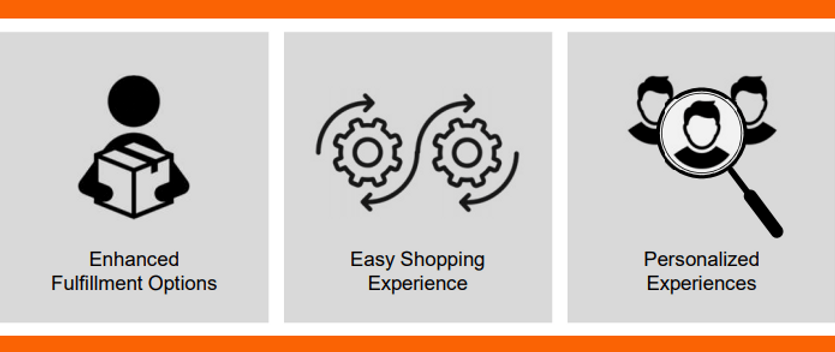
Operational Processes
The Home Depot’s operational practices emphasize maximum efficiency and productivity. Some of the measures or criteria for The Home Depot fall into the following categories (Lombardo, 2017).
-
Order fulfillment rate (store productivity)
-
Stockout rate (inventory management productivity)
-
Revenue per square foot (store productivity)
Other areas of focus when it comes to Operational decision-making involve The Home Depot’s 10 strategic decisions of operations management which aid to support the company’s continuing leadership in the home improvement retail market and significantly influence its competency and competitiveness (Lombardo, 2017).
-
Design of goods and services
-
Quality management
-
Process and capacity design
-
Location strategy
-
Layout design & strategy
-
Job design & HR
-
Supply chain management
-
Inventory management
-
Scheduling
-
maintenance
Five-Year Plan
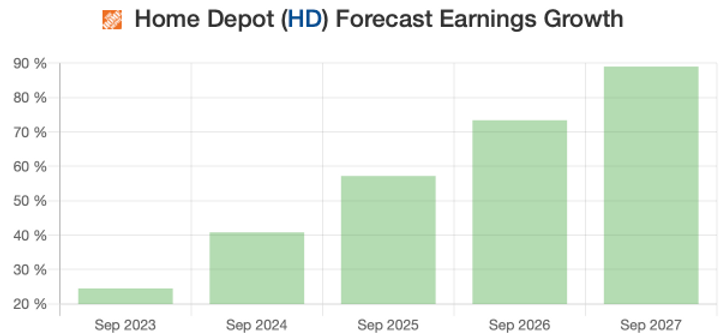
Unlike many retailers, Home Depot has long iterated a clear strategy to investors, outlining future financial goals and initiatives to achieve them. Its core strategy is "One Home Depot," which aims to grow market share by improving customer service and customer experience online and in stores. Home Depot has resisted opening stores for the last decade so that it can instead spend money on store improvements, e-commerce, technology, and share repurchases, and the company has committed $11 billion to investments under the One Home Depot plan (Bowmen, 2019). However,Home Depot investors shouldn't expect a repeat of last decade's blowout growth as conditions in the housing market have changed. Nonetheless, the company is the leader in home improvement retail and has considerable competitive advantages as well as a highly efficient and profitable business (Bowmen, 2019).
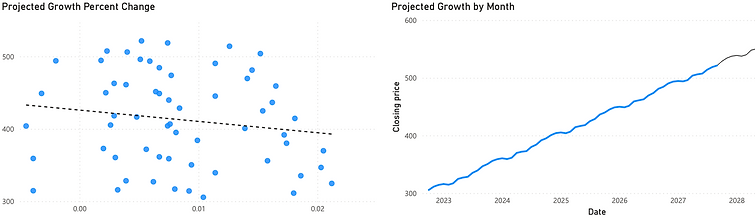
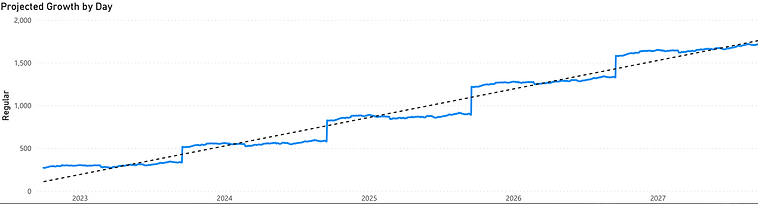
Given a moderating housing market, the risk of recession, and recent signs of a slowdown as profits fell slightly in its most recent quarter and net sales grew just 3.5%, Home Depot's growth is likely to be more restrained over the next five years. Still, the company seems like a good bet to beat the S&P 500 due to its strong competitive position in home improvement retail, its highly profitable business, and a generous capital return program (Bowmen, 2019).
Primary Goals
GLOBAL IMPACT: PEOPLE
-
Invest more than 1 million hours per year over five years in training and development to help our front-line associates grow their careers
-
Create career advancement opportunities for 50,000 front-line associates over a five-year period
-
Expand associate resource groups to include more associates and increase engagement and participation
GLOBAL IMPACT: CLIMATE
-
Procure/produce 335 megawatts of renewable or
-
alternative energy
-
Produce/procure 100% renewable electricity for all Home Depot facilities worldwide by 2030
-
Utilizing science-based targets to reduce Scope 1 and Scope 2 emissions 40% by 2030, 50% by 2035
GLOBAL IMPACT: RESPONSIBLE CHEMISTRY
-
Eliminate certain chemicals from cleaning products
GLOBAL IMPACT: PLANET
-
Exclude expanded polystyrene (EPS) foam and polyvinyl
-
chloride (PVC) film from private-brand packaging
GLOBAL IMPACT: COMMUNITIES
-
Achieve $5 billion in direct annual spend with diverse suppliers
-
The Home Depot Foundation plans to contribute $500 million to veteran causes with a focus on housing
-
The Home Depot Foundation plans to invest $50 million to train 20,000 skilled tradespeople, including veterans
-
Launch a Tier II supplier diversity program that measures and encourages our Tier I suppliers’ spending with diverse suppliers
-
(The Home Depot, 2022).